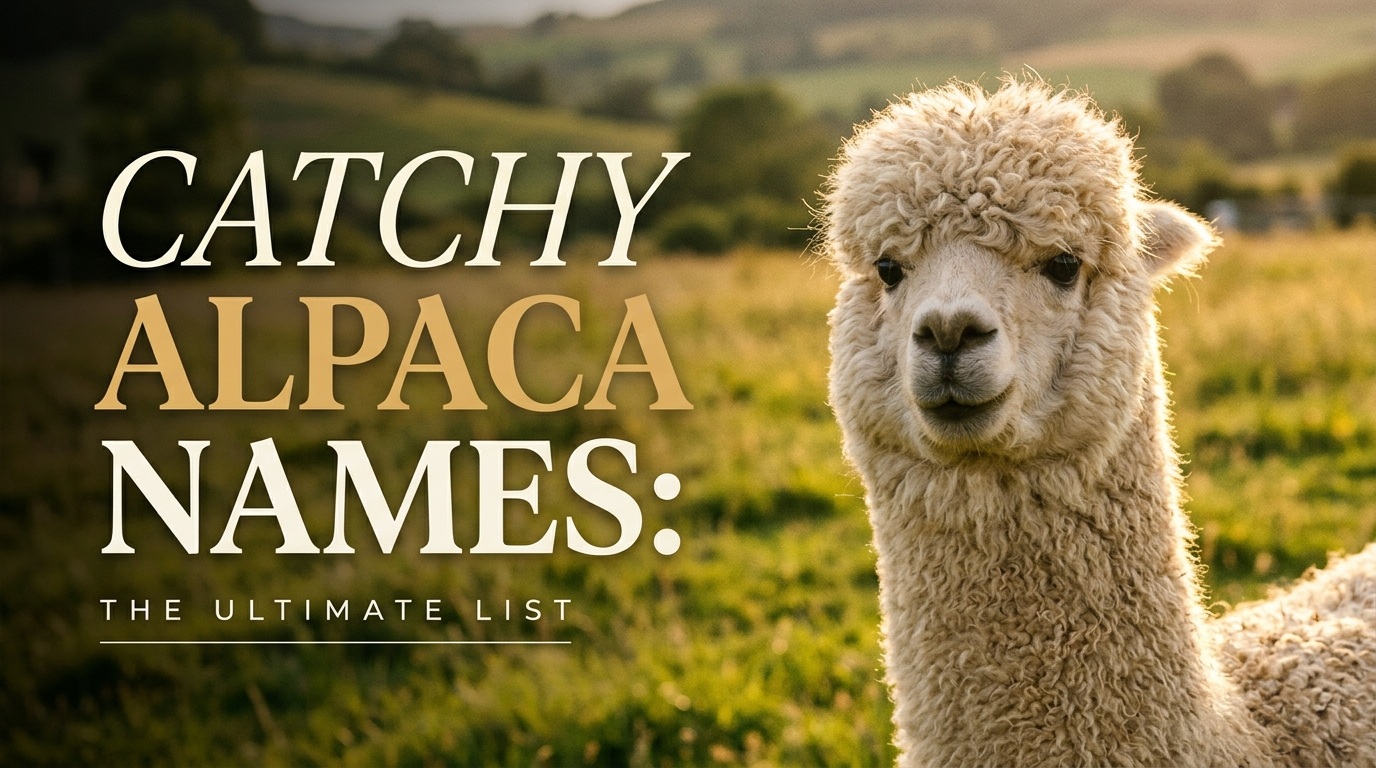
Picking a name for your alpaca is more fun than it sounds — and trickier too. A good alpaca name should match the animal’s fluffy charm, roll off the tongue at feeding time, and still sound sharp when you’re announcing it in the show ring. This guide covers every angle: funny names, elegant names, farm-ready names, and the naming rules breeders actually use.
Quick Answer: What Are the Best Catchy Alpaca Names?
The best catchy alpaca names combine personality with sound. Top picks include Waffles, Cloud Nine, Sir Fluffington, Pearl, Peru, Marshmallow, Dolly Llama, and Alpacino. Great names are short (one to three syllables), easy to call across a paddock, and reflect either the alpaca’s coat color, temperament, or a playful pun on “alpaca” or “llama.”
That’s the short version. Now let’s dig into why these names work, how breeders actually choose them, and how to find the perfect fit for your own herd.
Where Alpaca Naming Traditions Come From
Alpacas were domesticated over 6,000 years ago in the Andes Mountains of Peru, Bolivia, and Chile, where they were raised for fiber, meat, and companionship long before they reached farms in North America, Europe, and Australia. In the Andes, Quechua-speaking herders often named animals after mountains, weather patterns, and local landmarks — a tradition that still shapes names like Cusco, Andes, Machu, and Inti (the Incan sun god) on farms today.
When alpacas were first imported to the United States in the 1980s, breeders borrowed heavily from that Andean heritage while also blending in Western naming habits — nicknames, puns, and pop culture. That mix is exactly why modern alpaca name lists look so varied: part heritage, part humor, part hobby-farm creativity.
Why the Right Alpaca Name Actually Matters
An alpaca isn’t just livestock to most owners — it’s a companion animal with its own quirks, humming habits, and personality. Farms with breeding programs also register names permanently with alpaca associations, so the name becomes part of a bloodline record that lasts for decades.
A name affects three practical things on a working farm:
- Recall training. Short, punchy names with hard consonants (like Tank, Pip, or Biscuit) are easier for an alpaca to learn than long, soft ones.
- Show ring presentation. Judges and announcers read the registered name aloud, so a memorable, well-pronounced name adds polish to a competition entry.
- Herd management. On farms with 20, 50, or even 200 alpacas, distinct names (not “Alpaca #14”) make daily chores like feeding, health checks, and shearing far more organized.
How to Choose the Perfect Alpaca Name
Before jumping into name lists, it helps to have a simple framework. Most experienced breeders run through these five checkpoints.
1. Consider the Coat Color and Fiber
Alpacas come in 22 recognized natural fleece colors, from true black to rose grey to pure white. Coat-based names are some of the most popular because they’re instantly descriptive.
| Coat Color | Matching Name Ideas |
| White | Snowball, Marshmallow, Cotton, Pearl, Vanilla |
| Black | Onyx, Midnight, Licorice, Shadow, Raven |
| Brown/Fawn | Cocoa, Biscuit, Hazelnut, Cinnamon, Toffee |
| Grey | Storm, Smokey, Ash, Silver, Misty |
| Multicolor | Patches, Domino, Harlequin, Calico |
2. Think About Temperament
Alpacas have distinct personalities — some are curious and bold, others shy and gentle. Naming an animal after its behavior often creates the most fitting, lasting match.
- Bold or bossy alpacas: Duchess, Diva, Boss, Sassy, Maverick
- Shy or gentle alpacas: Whisper, Willow, Pip, Angel, Gentle Ben
- Playful or energetic alpacas: Bouncer, Ziggy, Rascal, Turbo, Buzz
3. Use Wordplay on “Alpaca” or “Llama”
This is where alpaca names get genuinely catchy. Puns are a favorite among hobby farmers, petting zoos, and social-media-famous herds because they’re instantly shareable.
Popular pun-based alpaca names include Alpacino, Dolly Llama, Alpaca Chino, Alpaca My Bags, Llama Del Rey, Barack Alpaca, and Alpaca Lypse Now.
4. Match Names to a Herd Theme
Many farms name every cria (baby alpaca) born in the same year or same bloodline using a shared theme — spices, gemstones, mythology, or even coffee drinks. This keeps records tidy and gives visitors a fun story to follow.
| Theme | Example Names |
| Gemstones | Ruby, Opal, Jade, Garnet, Topaz |
| Greek Mythology | Zeus, Athena, Apollo, Luna, Atlas |
| Coffee & Desserts | Mocha, Latte, Espresso, Praline, Sundae |
| Weather | Breezy, Stormy, Frost, Sunny, Blizzard |
| Royalty | Duchess, Earl Grey, Sir Reginald, Princess |
5. Say It Out Loud First
A name might look great written down but sound clunky when shouted across a field or announced over a show PA system. Breeders recommend saying the name out loud three or four times before registering it — this quickly reveals whether it’s actually catchy or just cute on paper.
100+ Catchy Alpaca Names by Category
Funny Alpaca Names
Funny names are a hit for pet alpacas and petting-zoo mascots, since visitors remember them long after the visit ends.
Waffles, Fluffernutter, Sir Spits-a-Lot, Chewbacca, Fuzzbucket, Noodle, Grumpy Pants, Sir Fluffington, Alpaca Lypse, Downton Wooby, Fleece Witherspoon, Wooliam Shakespeare, Hairy Potter, Baaaarack Obama, Yoda.
Cute and Cuddly Alpaca Names
Sweet, gentle names that suit a calm or affectionate animal.
Marshmallow, Peaches, Honeybun, Sugar, Bunny, Snuggles, Button, Muffin, Cupcake, Biscuit, Cloud Nine, Daisy, Poppy, Sweet Pea, Dumpling.
Elegant and Regal Alpaca Names
These fit prize-winning show alpacas or breeding stock with a polished pedigree feel.
Duchess, Countess, Sir Reginald, Lady Grey, Earl of Fluff, Princess Wooler, Baron, Empress, Nobleman, Majesty, Aristocrat, Sovereign, Grace, Regal, Everest.
Nature-Inspired Alpaca Names
Perfect for farms with an outdoorsy, rustic identity.
Willow, River, Canyon, Sage, Meadow, Aspen, Juniper, Clover, Fern, Sequoia, Birch, Prairie, Sunrise, Dune, Ridge.
Food-Themed Alpaca Names
Food names sound warm and homey — great for family farms and agritourism spots.
Waffles, Pancake, Biscuit, Cinnamon, Butterscotch, Maple, Peanut, Praline, Toffee, Cocoa, Nacho, Pretzel, Tofu, Mochi, Croissant.
Strong and Powerful Alpaca Names
Fits male alpacas (studs) with bold, muscular builds or dominant herd status.
Titan, Thor, Maximus, Atlas, Hercules, Bruiser, Ranger, Bear, Colossus, Diesel, Rocky, Duke, Warrior, Ironhide, Gladiator.
Celebrity-Inspired Pun Names
These get shared constantly on social media because they instantly make people smile.
Alpacino, Dolly Llama, Barack Alpaca, Alpaca Chino, Llama Del Rey, Wool Smith, Kanye Wooest, Woolverine, Alpaca Lypse Now, Justin Beaver (llama-adjacent but often reused for alpacas), Elvis Parsley, Meryl Sheep (borrowed sheep pun, still popular in mixed-farm naming), Snoop Dogg-a, Fleecetwood Mac, Bey-llama.
Andean and Heritage-Inspired Alpaca Names
For farms that want to honor the alpaca’s South American roots, heritage names bring an authentic, meaningful touch.
Inti, Cusco, Andes, Machu, Quilla (Incan moon goddess), Pachamama, Sacha, Amaru, Wari, Yara, Nayra, Kuntur (condor), Puma, Tupac, Sami.
Alpaca Show-Ring Names (Formal Style)
Registered show names often follow a “farm prefix + descriptive name” pattern, similar to how racehorses are named. A few formal examples:
Meadowbrook’s Silver Lining, Rocky Ridge Regal Duchess, Highland Farm Everest, Willow Creek’s Grace Note, Sunrise Alpacas’ Sovereign Pride.
How Alpaca Registries Handle Names
If you’re raising alpacas for breeding or show, the name eventually becomes an official record. In the United States, the Alpaca Owners Association (AOA) maintains the primary registry, tracking pedigree, fiber statistics, and ownership history under each animal’s registered name.
A few practical rules most registries follow:
- Uniqueness within the herd or bloodline. Two closely related alpacas typically can’t share an identical registered name.
- Character limits. Registered names are often capped around 30 characters, which is why long, elaborate names get shortened into a barn name for everyday use.
- Farm prefixes. Many breeders attach their farm’s name to the front of a registered name (for example, “Rocky Ridge Alpacas’ Titan”) to build brand recognition across their bloodline.
- Permanent records. Once registered, a name typically can’t be changed, so it pays to get it right the first time — especially for animals entering a breeding program.
Even pet owners without registry plans benefit from thinking through these same principles, since a well-chosen name tends to age better than one picked on a whim.
Comparison: Alpaca Names vs. Llama Names vs. Sheep Names
People often mix these up since alpacas, llamas, and sheep share pastures and personality traits. Here’s how naming conventions differ across the three.
| Feature | Alpaca Names | Llama Names | Sheep Names |
| Common theme | Fiber & coat color | Strength & guard-animal traits | Softness & pastoral imagery |
| Typical length | 1–2 syllables | 2–3 syllables | 1–2 syllables |
| Popular pun base | “Alpaca” wordplay | “Llama” wordplay | “Ewe” and “Ram” wordplay |
| Registry naming rules | Often themed by cria year | Similar, less standardized | Rarely formally registered |
Alpacas are bred mainly for their soft fleece, so names tend to reference fiber, texture, and gentle qualities. Llamas, historically used as pack and guard animals, get names built around strength and alertness. Sheep names lean into pastoral softness and classic barnyard humor.
Male vs. Female Alpaca Name Ideas
| Male (Machos) | Female (Hembras) |
| Titan, Duke, Rocky, Diesel, Thor | Duchess, Willow, Pearl, Daisy, Grace |
| Alpacino, Maximus, Bear, Atlas | Sugar, Poppy, Ruby, Luna, Opal |
| Sir Fluffington, Ranger, Bruiser | Marshmallow, Cloud, Angel, Sweet Pea |
Common Mistakes to Avoid When Naming an Alpaca
Even experienced owners slip up here. These are the most frequent issues breeders and alpaca associations flag.
- Choosing a name that’s too long. Registries like Alpaca Owners Association (AOA) allow long registered names, but a working “barn name” should stay short for daily calling.
- Picking a name too close to another herd member’s. Names that sound alike (Bo and Boo, Belle and Bell) confuse both the animal and the handler during health checks.
- Using a name with a harsh or negative meaning. Even as a joke, names tied to illness, weakness, or bad luck are avoided by most serious breeders — it feels like poor herd morale.
- Forgetting to check registry uniqueness. Alpaca registries generally require a name that isn’t already active in the same bloodline or association database, so it’s worth searching before falling in love with one.
- Ignoring the animal’s actual personality. A shy, quiet alpaca named “Maximus” or “Diesel” can feel like a mismatch once the name sticks.
- Overusing trendy pop-culture references. Names tied to a single viral moment age fast; classic descriptive names tend to stay charming for the alpaca’s full 15–20 year lifespan.
Expert Tips From Experienced Alpaca Breeders
- Name crias within the first week. Waiting too long makes it harder to bond, and paperwork for registries often needs a name early on.
- Keep a “barn name” and a “registered name” separate. The registered name can be elaborate (great for pedigree records), while the barn name stays short for daily use — for example, “Sir Reginald Fluffington III” on paper, “Reggie” in the field.
- Match names to birth order or season. Some farms name all spring crias with S-names and all fall crias with F-names, which makes birth-year tracking effortless at a glance.
- Test the name at a distance. Stand at the far end of the paddock and call it. If it doesn’t carry well, it’s not a working farm name.
- Involve visitors or followers. Farms that run petting zoos or social media pages often get naming ideas from fan polls, which also builds community engagement.
How to Train an Alpaca to Respond to Its Name
Alpacas aren’t as instantly responsive to names as dogs, but with consistency, most learn to associate a sound with attention, food, or a scratch on the neck within a few weeks. Here’s the approach experienced handlers recommend.
- Say the name before every interaction. Use it right before feeding, haltering, or grooming so the alpaca links the sound to something positive.
- Keep the tone consistent. Alpacas respond better to a steady, calm voice than a sharp or high-pitched one — this also helps distinguish a name from a warning sound.
- Pair it with a small reward. A handful of feed pellets or a gentle scratch near the base of the neck reinforces the connection quickly.
- Avoid renaming. Switching names partway through an alpaca’s life resets the learning process and can confuse an animal that’s already responding well to its original name.
- Practice in short, frequent sessions. Five minutes a few times a day works better than one long session, especially with younger crias still building trust with handlers.
This is also where a short, one- or two-syllable barn name pays off — alpacas pick up quick, punchy sounds faster than long or multi-word names.
More Alpaca Name Ideas Worth Considering
A few more solid options that don’t fit neatly into one category but come up often in breeder forums and farm social media pages:
Ziggy, Comet, Bubbles, Gizmo, Pepper, Olive, Bramble, Hazel, Nutmeg, Marbles, Peaches, Cricket, Sparrow, Echo, Journey, Harmony, Blaze, Frostbite, Tumbleweed, Chestnut, Wrenley, Pistachio, Honeydew, Sesame, Coriander.
Alpaca Name Ideas by Use Case
Show Alpacas
Show names benefit from a polished, memorable sound that announcers can pronounce clearly: Everest, Grace, Sovereign, Titan’s Legacy, Wooler’s Pride.
Pet or Companion Alpacas
Since these alpacas interact closely with people, softer and friendlier names work best: Button, Biscuit, Snuggles, Pip, Clover.
Farm Mascots and Petting Zoos
Names here should be catchy enough to remember and share: Waffles, Alpacino, Dolly Llama, Sir Fluffington, Noodle.
Breeding Stock
Pedigree-focused farms often lean toward elegant, dynastic-sounding names that read well on a certificate: Duchess of Meadowbrook, Sovereign’s Pride, Earl Grey.
Quick Alpaca Facts Worth Knowing Before You Name One
A little background on the animal itself helps explain why certain names fit so well.
- Alpacas typically live 15 to 20 years, so a name needs to hold up for the long haul, not just sound cute as a cria.
- There are two alpaca breeds: Huacaya (fluffy, crimped fleece — the “teddy bear” look) and Suri (silky, dreadlock-style fleece). Suri owners sometimes lean into elegant names that match the breed’s glossy appearance, while Huacaya owners often pick round, soft-sounding names that match the puffball look.
- A baby alpaca is called a cria, a female is a hembra, and a male is a macho — useful vocabulary when browsing name lists split by sex.
- Alpacas communicate through a soft humming sound, which is part of why gentle, melodic names tend to suit them so well.
- A full-grown alpaca weighs between 106 and 185 pounds, noticeably smaller than a llama, which often runs twice that size — one reason llama names skew toward “big and tough” while alpaca names skew toward “soft and sweet.”
Alpaca Naming FAQs (People Also Ask)
What is a good name for a baby alpaca (cria)?
A good cria name is short, easy to say, and often ties to the birth season, coat color, or parent names. Popular cria names include Pip, Clover, Button, Frost, and Sprout — all easy for a young animal to learn quickly during early handling.
Do alpacas recognize their names?
Yes, alpacas can learn to associate a specific sound with themselves, especially when the name is used consistently during feeding and handling. Recognition improves fastest with short, one- or two-syllable names paired with a reward like a treat or scratch.
Can two alpacas have the same name? Within a single herd, no — it causes confusion during feeding, health checks, and record-keeping. Across different farms, duplicate names are common, though official alpaca registries usually require a unique name within the same bloodline or association.
What are the most popular alpaca names?
Some of the most commonly used alpaca names include Luna, Pearl, Willow, Cocoa, Duke, Storm, Ruby, and Waffles. Popularity shifts slightly year to year, but coat-color and nature-based names remain consistently common.
Should I name my alpaca after its color?
It’s one of the easiest and most reliable approaches. Coat-based names like Onyx, Snowball, or Cinnamon are instantly descriptive, easy to remember, and rarely go out of style compared to trend-based names.
What’s a funny name for a male alpaca?
Funny male alpaca names often play on size, attitude, or pop culture: Sir Spits-a-Lot, Alpacino, Chewbacca, Grumpy Pants, and Baaaarack Obama are popular choices for farms that like a lighthearted herd identity.
How long can a registered alpaca name be?
Most alpaca registries, including AOA in the United States, allow fairly long registered names — often up to around 30 characters — which is why many breeders pair an elaborate registered name with a short, practical barn name for daily use.
Are llama names and alpaca names different?
They overlap in style but differ in tone — llama names tend to reference strength, height, and guarding ability, while alpaca names more often reference fiber quality, softness, and coat color, reflecting each animal’s traditional role.
What should I avoid when naming an alpaca?
Avoid names that are too long for daily calling, too similar to another herd member’s name, or tied to a negative meaning. It’s also worth double-checking registry records so the name is unique within your association.
Do alpaca names need to match a herd theme?
No, it’s optional, but many farms use a shared theme (like gemstones, weather, or Greek mythology) for crias born in the same year, since it makes bloodline tracking and record-keeping much simpler over time.
What are good Andean or Peruvian names for alpacas?
Since alpacas originated in the Andes, names rooted in Quechua and Incan culture — like Inti, Quilla, Cusco, Pachamama, and Amaru — give a respectful nod to the animal’s heritage while still sounding distinctive on a modern farm.
Is it better to name an alpaca before or after seeing its personality?
Many breeders wait one to two weeks after birth, giving the cria’s temperament — curious, calm, bold, or shy — time to show through before locking in a name. This tends to produce a name that fits better long-term than one picked purely on looks at birth.
Final Thoughts
The best alpaca name sits right at the intersection of personality, practicality, and a little bit of charm. Whether it’s a pun-loaded showstopper like Alpacino, a soft and gentle Marshmallow, or a dignified Duchess bound for the show ring, the right name should feel natural every single time it’s called across the paddock.
Start with the coat color or temperament, test a shortlist out loud, check it against registry records if it’s headed for official paperwork, and don’t be afraid to let a little humor in — after all, an animal this fluffy and full of personality deserves a name that matches.
